
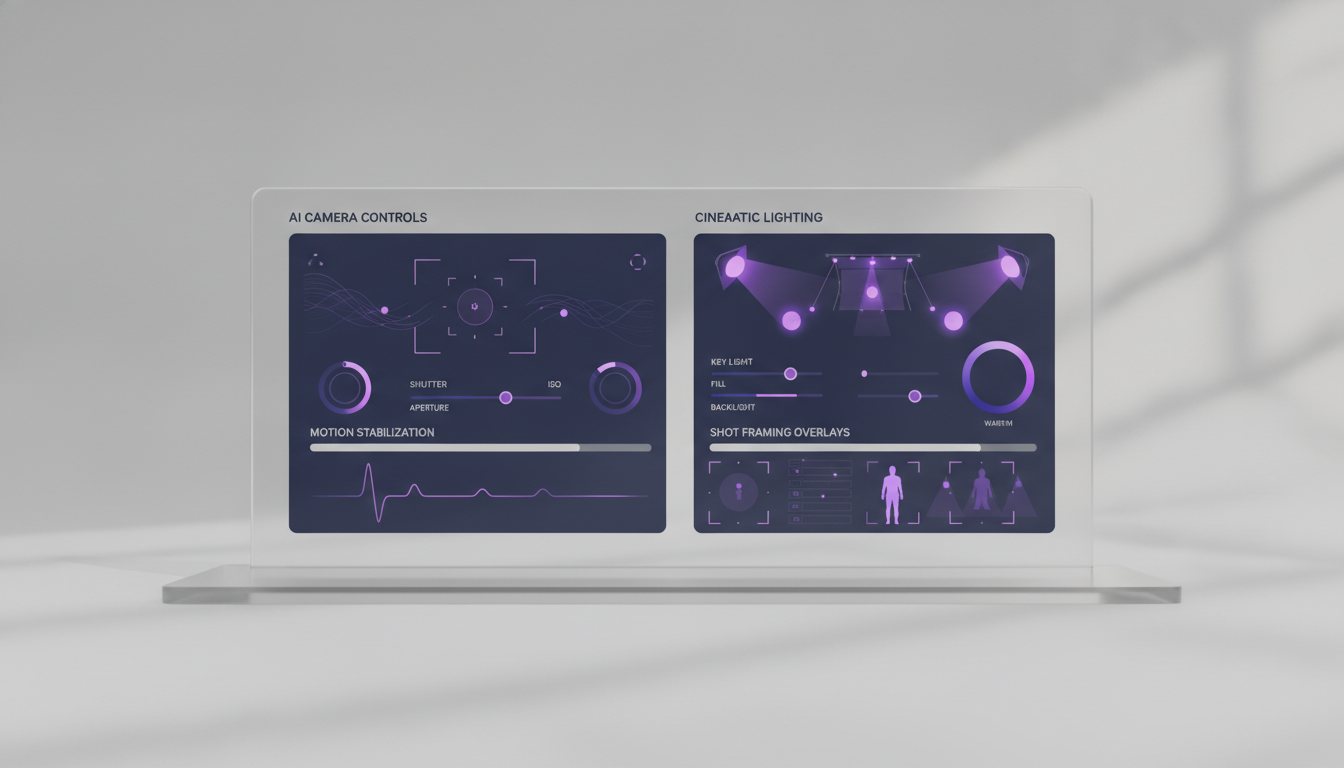
Generative AI models have made video creation accessible to every marketer, yet most performance teams still struggle with inconsistent visual quality and unpredictable ad output. Relying solely on a blank text prompt forces creators to gamble on random outputs instead of orchestrating predictable creative assets.
The Shift from Prompting to Visual Direction
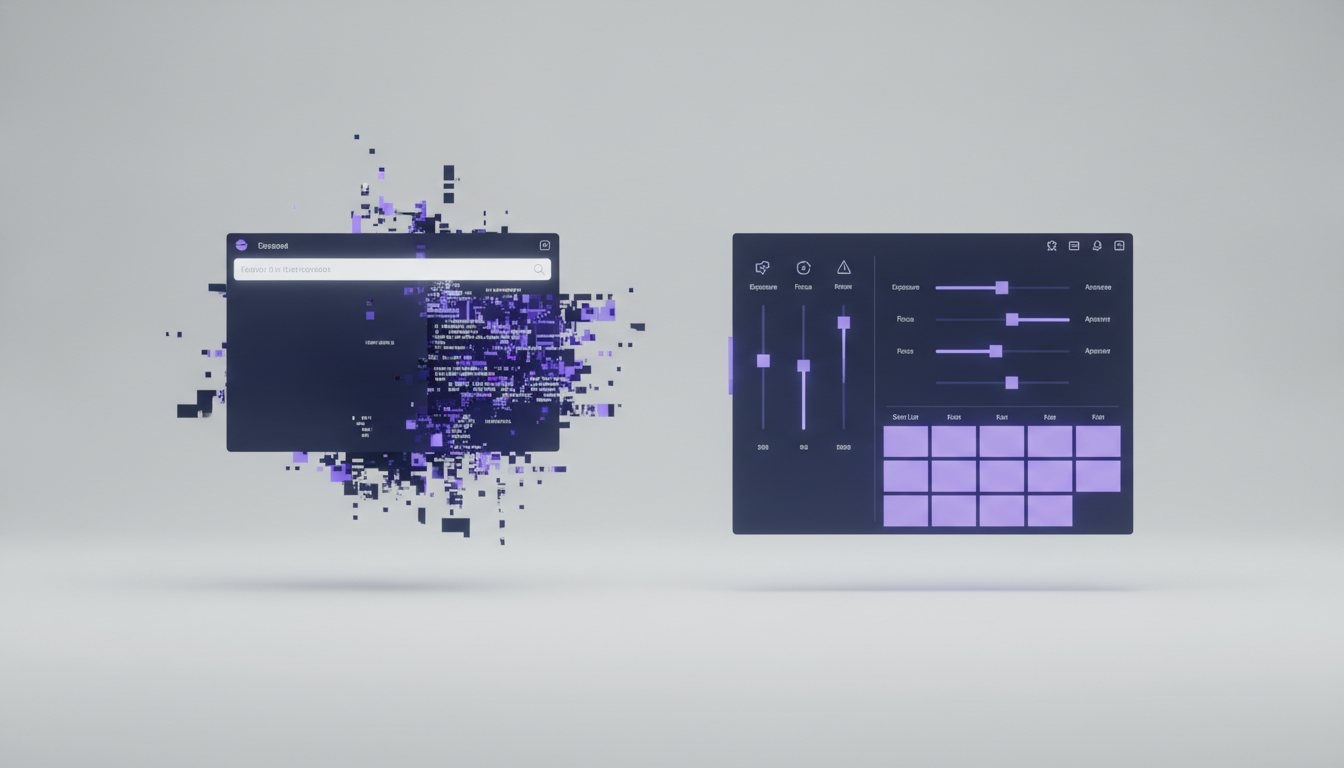
Text prompts work well for static concept art, but performance ads require visual discipline. When scaling ad campaigns, marketers need precise framing, continuous product anchoring, and controlled lighting transitions across every variation.
Why Raw Prompts Fail at Scale
A standard prompt like "hyperrealistic video of a woman holding a skincare bottle in a sunny bathroom" leaves critical production choices to chance:
- Camera motion: The model might zoom violently or stay completely motionless.
- Lighting consistency: Sunbeams may shift erratically between frames.
- Product identity: Labels and packaging details often warp or mutate.
Raw prompt text communicates intent, but an AI director enforces cinematic structure and brand compliance across every generated frame.
Worked Example: UGC Skincare Visual Ad
To understand the difference, let us evaluate a realistic visual test for a direct-to-consumer skincare launch. We compared a traditional single-prompt output against a directed scene architecture.
Scenario A: The Single-Prompt Method
Input text: "Vertical UGC video, young adult applying facial serum, studio lighting, smooth skin, high resolution."
Result: The output generated acceptable skin textures, but the camera angle drifted unpredictably halfway through, hiding the product label. Three out of four generations hallucinated a non-existent brand logo.
Scenario B: The AI Director Workflow
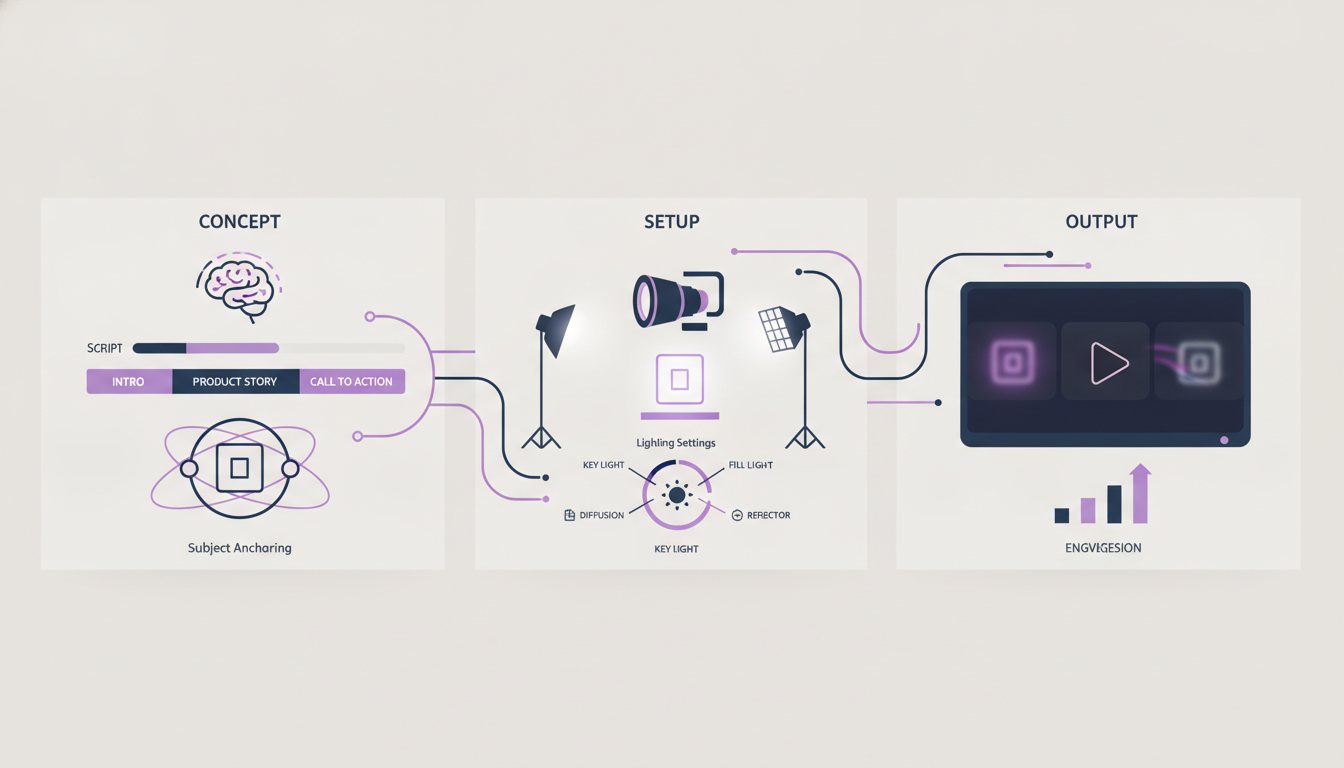
Instead of hoping the model infers production quality, the visual scene is structured through explicit directorial constraints:
- Shot 1 (Establishing): Medium close-up, fixed 35mm lens angle, soft morning sunlight key lighting.
- Shot 2 (Action): Slow zoom toward product bottle, maintaining sharp focal lock on the front label.
- Shot 3 (Application): Macro close-up, controlled hand movement, consistent skin tone profile.
Result: The directed workflow yielded 100% brand retention on the packaging and eliminated random camera jitter, reducing asset iteration time from hours to minutes.
How to Do It with Covely
Implementing a director-first methodology does not require visual effects expertise. By leveraging Covely's platform features, growth teams can standardize video production seamlessly.
- Define subject anchors: Upload product assets into your workspace to lock logos, color palettes, and container dimensions.
- Set cinematic constraints: Choose specific camera movements such as pans or tracking shots rather than describing motion in plain text.
- Apply lighting and mood presets: Select pre-calibrated aesthetic profiles to keep ad variations visually matched across channels.
- Generate and iterate by layer: Tweak pacing or background elements independently without regenerating the core subject.
Switching from unguided prompts to a structured AI director turns video production from a random lottery into a repeatable system. Marketers who master directed assets produce higher-performing creatives in a fraction of the time.